Featured School
Kyani Nyanza Primary School Development Project
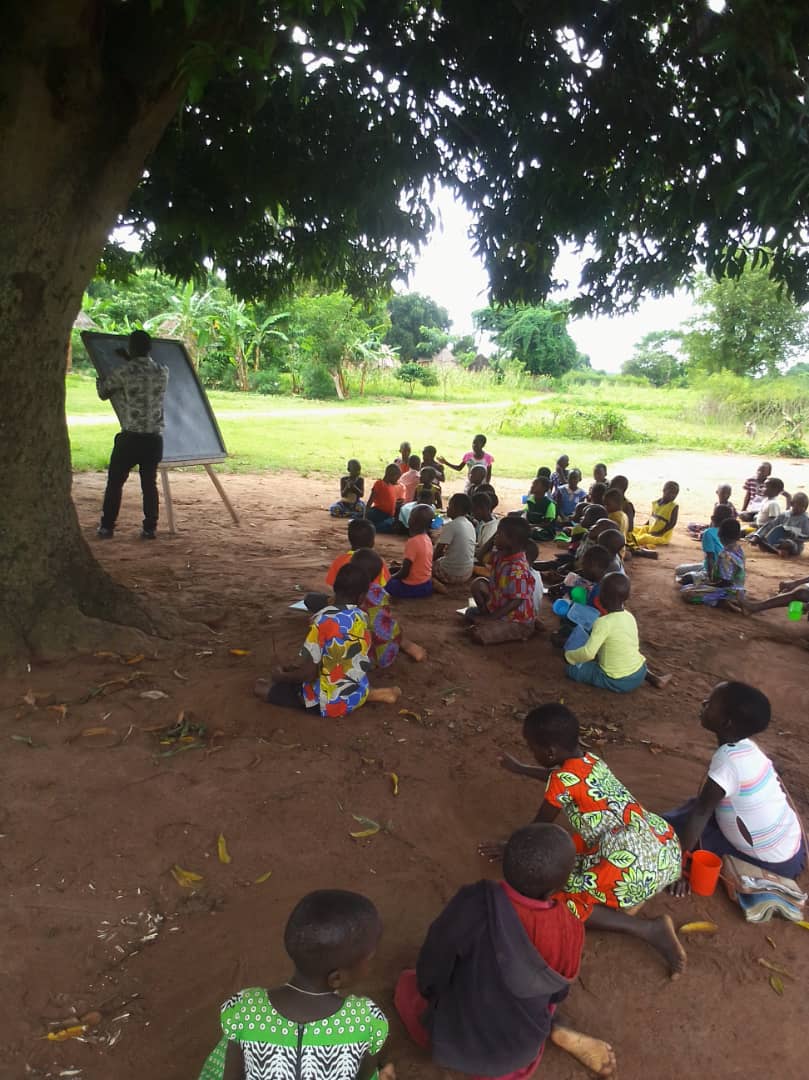
Kyani Nyanza Primary School was founded in 1995 by parents in Kyani village to provide education where no school existed. Teaching began under a tree with ten learners and one untrained teacher who had dropped out of high school due to lack of tuition fees.
By 1999 the school was officially registered with over 230 learners and two untrained teachers. As the only school in the remote village, its population grew quickly. Today, it serves over 2,500 learners each year — supported by one government headteacher and just four teachers.
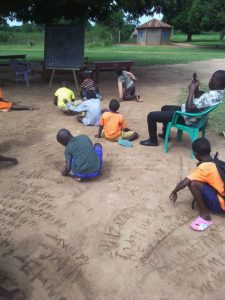
The school's growth is a testament to community determination. But the infrastructure has not kept pace. Children still sit and write on the floor. Teachers mark assignments on the ground. Learners walk more than 15 km for unsafe water. The school is at risk of closure during heavy rains.
2,500+
Learners served each year — in a school that began under a tree in 1995, learning and teaching still under trees.
15 km
Distance learners walk daily to fetch dirty, unsafe water — returning too tired to focus in class.
2,500+
Students have no any toilets in school, leading UTI diseases and drop out.
Current Needs
What the school still lacks
ClassroomsLearners sit and write on floors, study under tree shades, and lose learning time during rain, sun, or high winds. Performance suffers and closure risks are real.
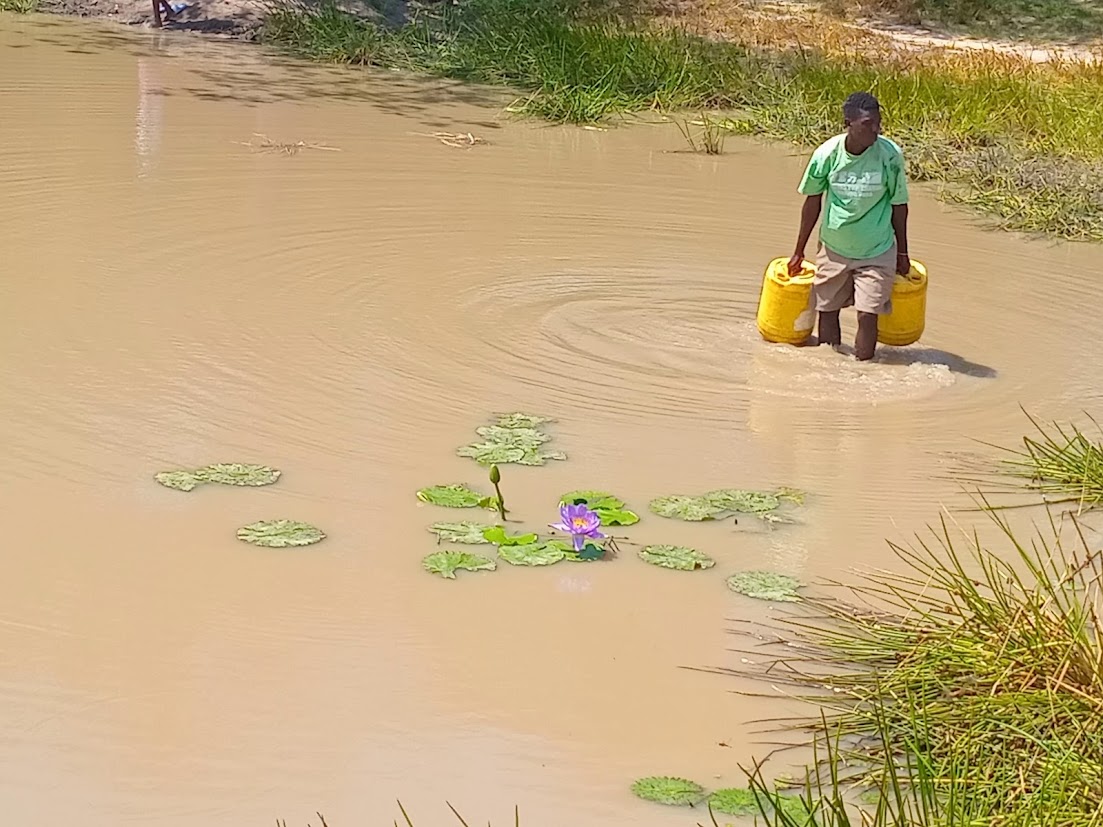
Safe Water PointThe school has no water. Learners walk 15+ km for dirty water and return too tired to learn. Over 15,000 community members share the same exposure to waterborne disease.
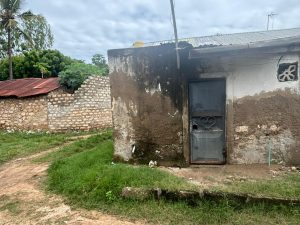
Proper ToiletsStudents and teachers use bushes as makeshift toilets — causing UTIs, air pollution, loss of dignity, and especially high dropout rates among girls.
What We Do
Education Access Interventions
Build & Renovate Schools
We build missing school infrastructure and renovate deteriorating facilities so children can learn in safe, dignified conditions.
BYU Online Degrees
We connect out-of-school youth to accredited online degree programmes through Brigham Young University, making university education reachable.
Water Points
We establish water points at schools where none exist, reducing the burden on learners and the waterborne disease risk for entire communities.
STEM Training
We train youth in STEM skills that translate directly to employment, income, and community development contributions.
Supplies for Children
We provide school supplies — desks, books, and materials — to children who currently write sitting on floors.
Skilled Youth, Stronger Communities
Skilled youth secure jobs, earn income, and reinvest in their communities — creating a multiplier effect that improves overall education access.